
In Itabashi Ward, Tokyo, there is a historical site closely connected to the ruins of the Army Itabashi Gunpowder
Manufacturing Plant that should not be forgotten. It is the former Institute of Physical and Chemical Research, commonly known as RIKEN.
This unique facility was established by repurposing the land and buildings of the former military gunpowder plant. On October 4, 2025, a special event was held in Japan to open such historical sites to the public.
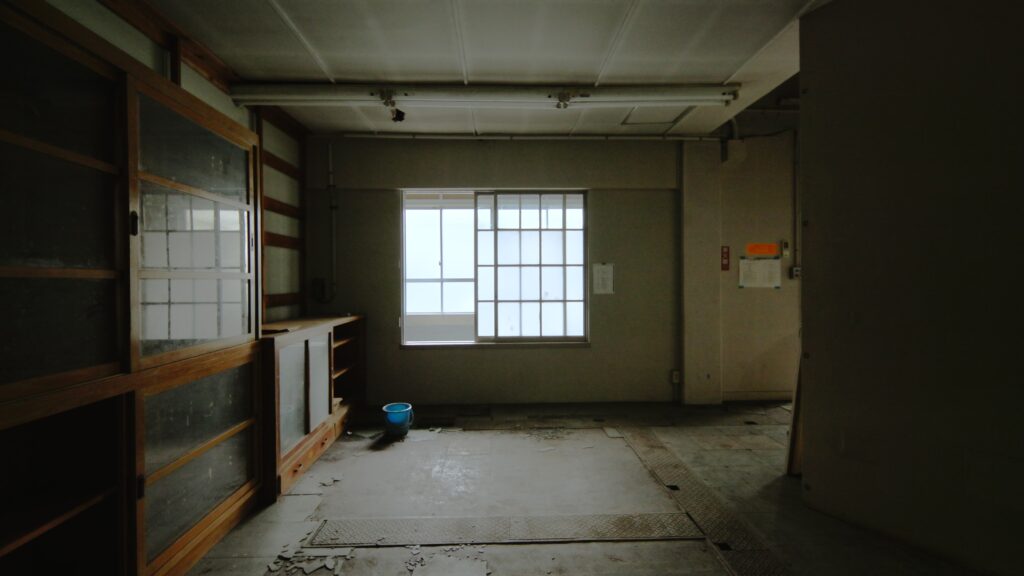
The former RIKEN institute was also opened on this day, allowing visitors to step inside and explore this rare heritage site.
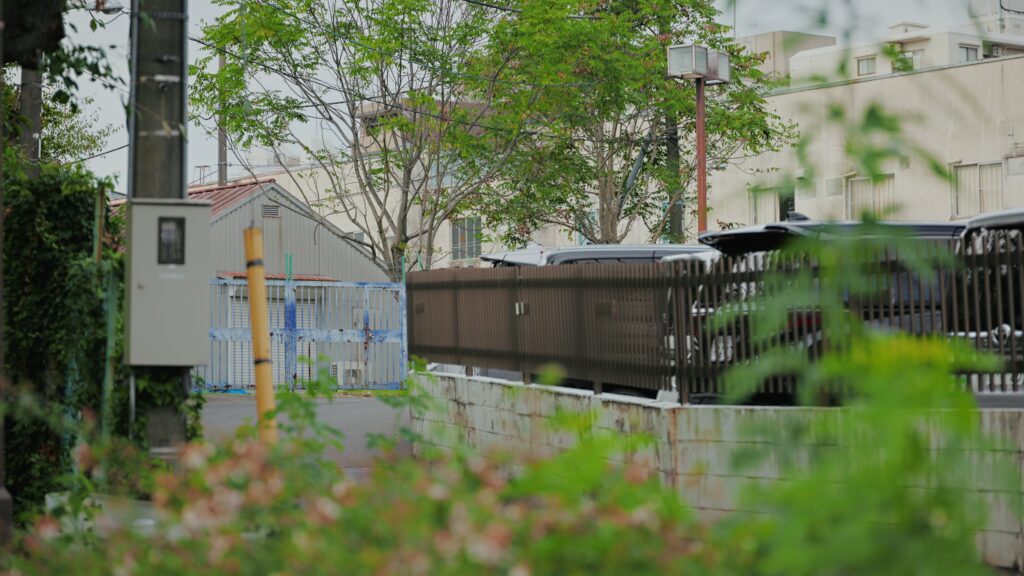
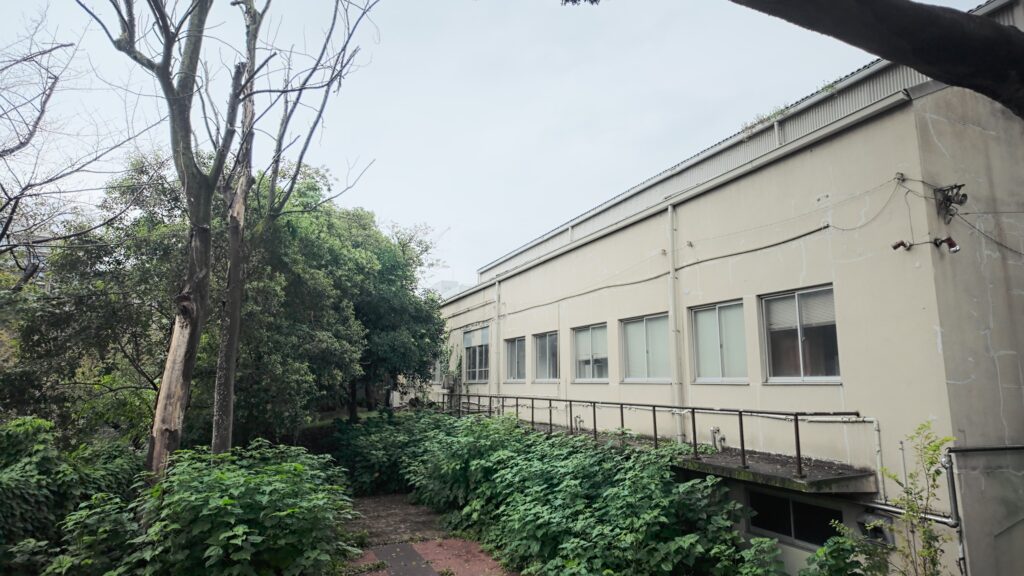

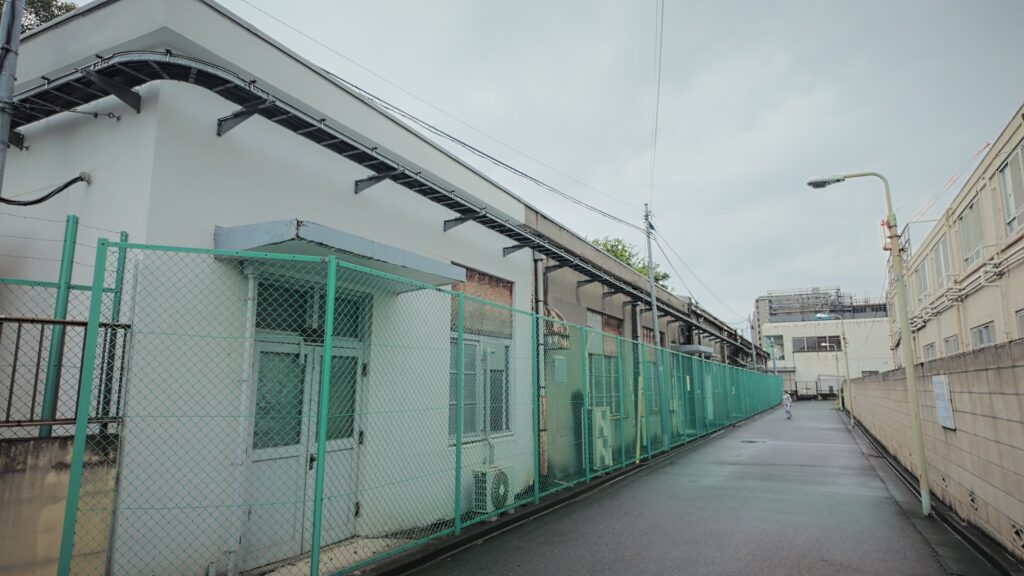
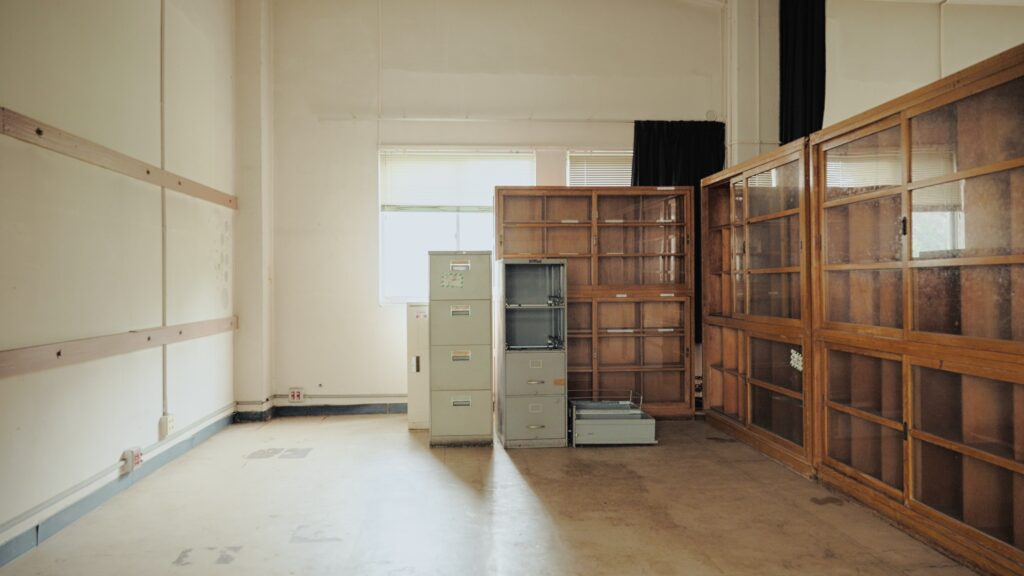
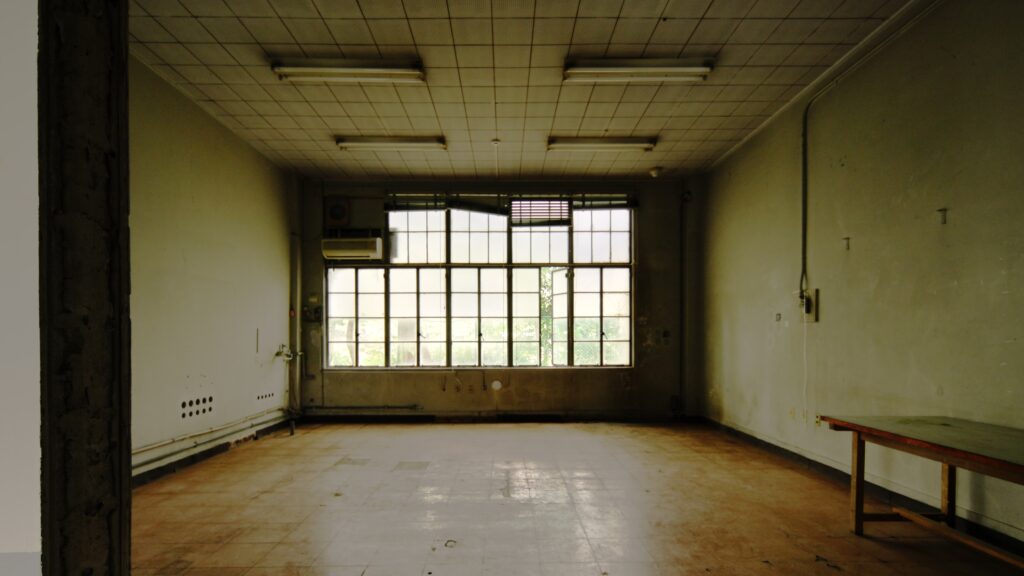
The Atmosphere of the Former RIKEN Institute
Located across the river from the remaining ruins of the Army
Gunpowder Plant, this laboratory was once a hub for advanced research.
Scientists here focused on observing cosmic rays—high-energy particles that shower down from space. It is said that the institute started with a small team of only about ten people.
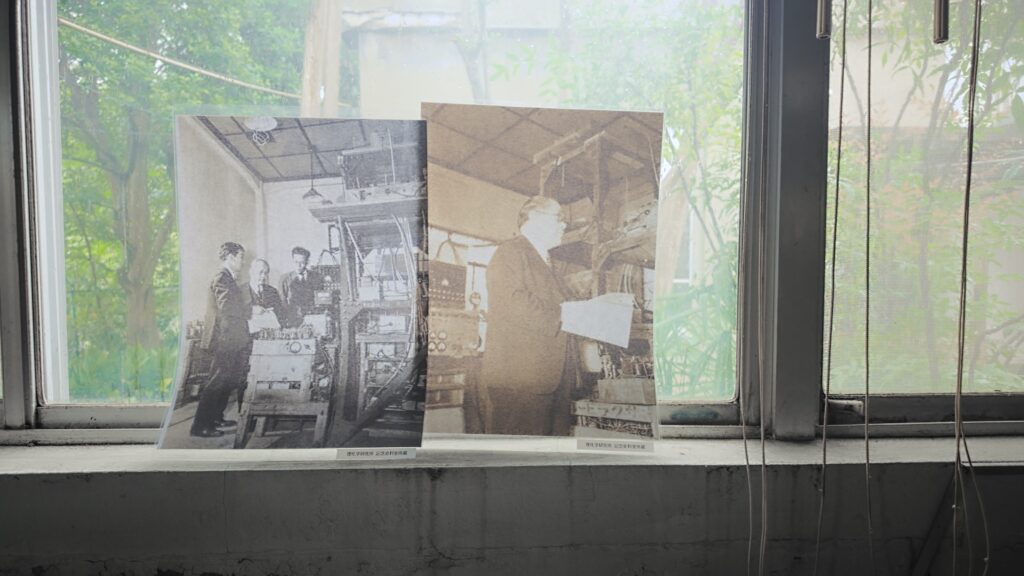
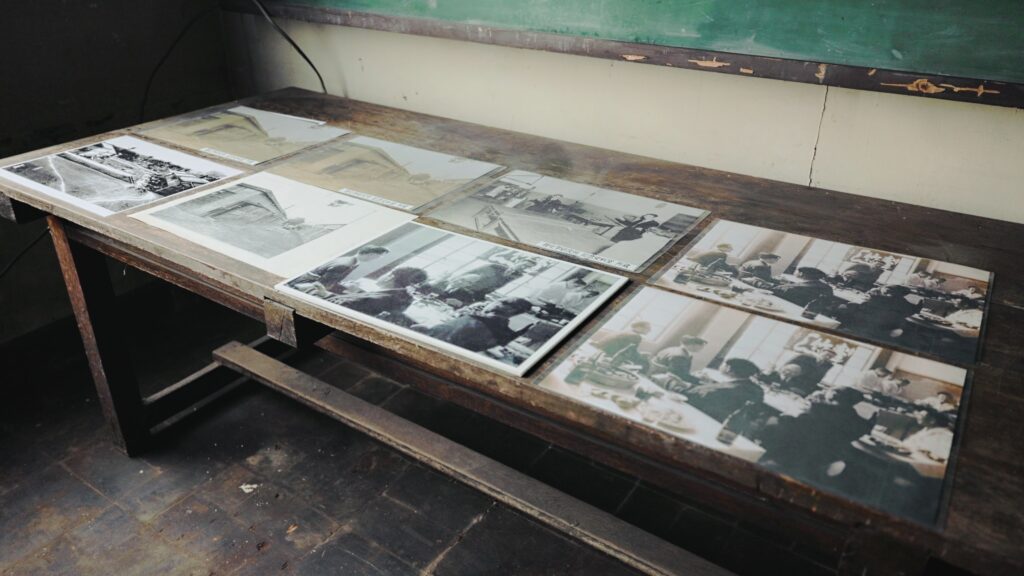
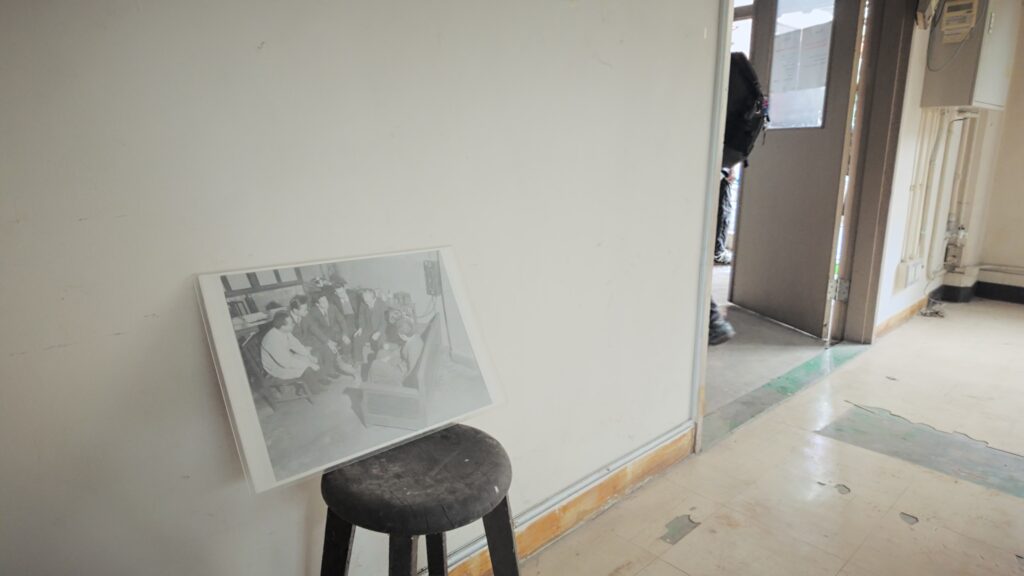
What made this place remarkable was its culture; unlike the rigid hierarchy common in Japanese society at the time, this lab offered an environment where men and women of all ages could freely exchange opinions. Photographs displayed in the central conference room offer a glimpse into this open and progressive atmosphere.
The Cosmic Ray Observation Device
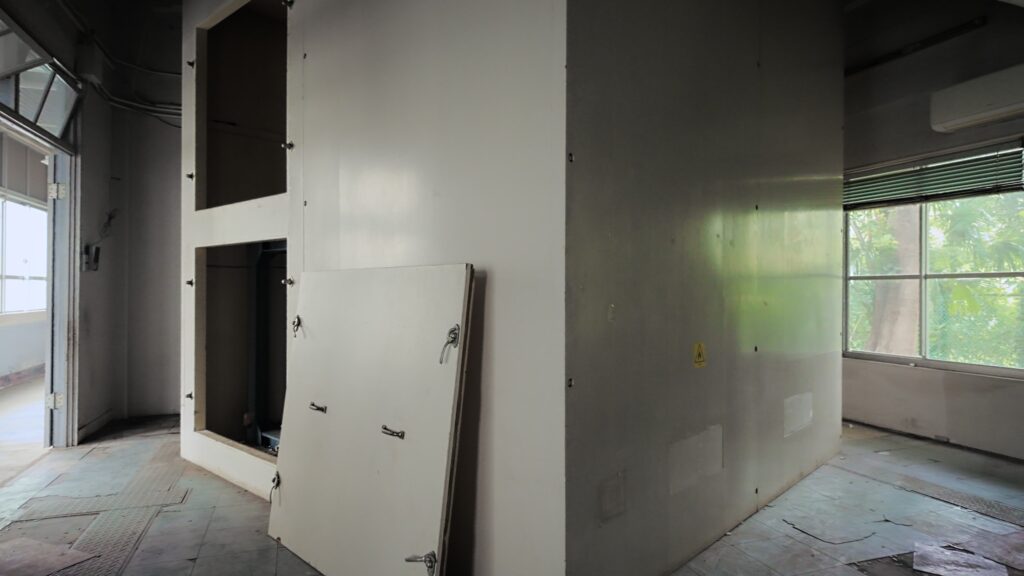
One of the main research themes at the institute was the study of cosmic rays, and a massive device used for this purpose still remains in one of the rooms.
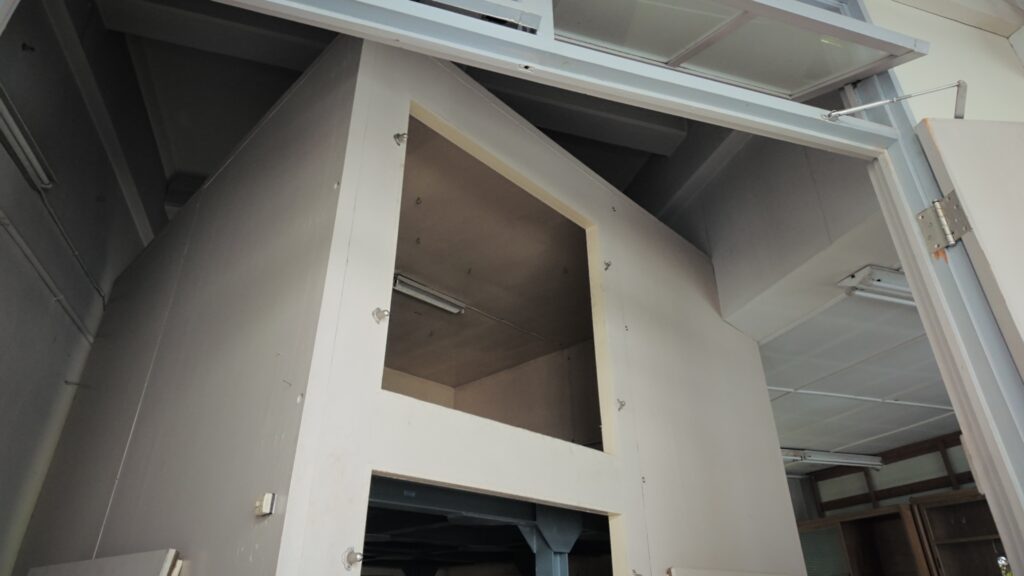
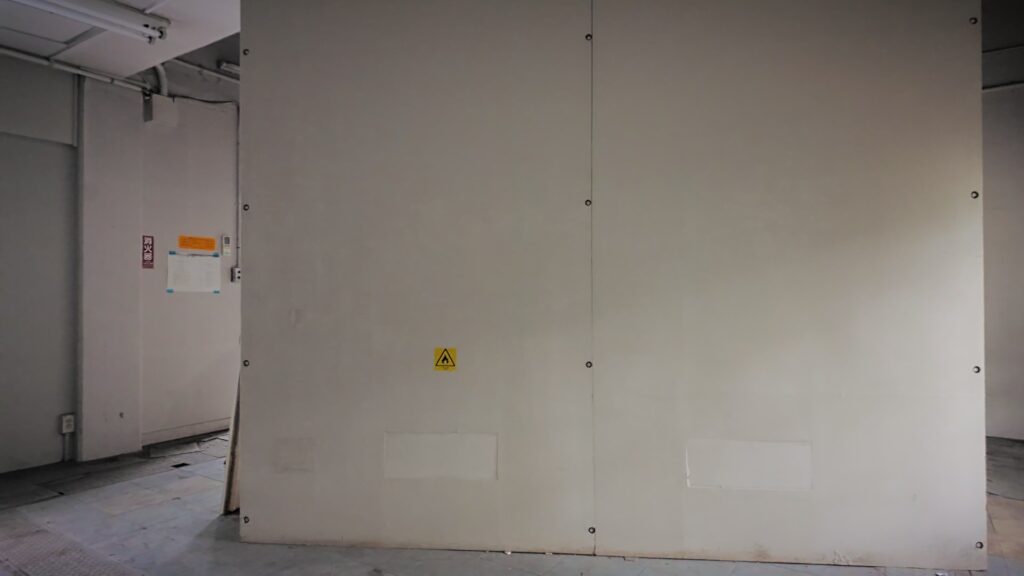
This structure, which looks like a giant box, is part of a plastic scintillator.
This device is constructed using a transparent plastic called polyvinyl toluene mixed with trace amounts of two types of fluorescent materials.
When electrically charged particles pass through the plastic, the fluorescent material emits light, allowing the detection of elementary particles. Since the light generated by the passing particles is incredibly faint and invisible to the naked eye, the plastic scintillator was designed to convert that faint light into electrical signals for measurement.
A Sci-Fi Space in a Historical Building
Although I am not an expert and cannot identify exactly which parts of the remaining structure correspond to the technical components of the plastic scintillator, the square structure itself possesses a strange allure.
Standing before it, one feels a peculiar presence, as if wandering inside the world of “Minecraft” or becoming a character in a sci-fi novel or video game.
It creates a mysterious and immersive space. In addition to this device, other apparatuses such as Geiger-Müller counters were reportedly stationed in separate rooms, though they no longer remain today.
An Accidental Architectural Match
To observe cosmic rays falling from space, it is best to have as few obstacles as possible between the instruments and the sky.
Surprisingly, the reason this building was chosen for the laboratory lies in its unique architecture.
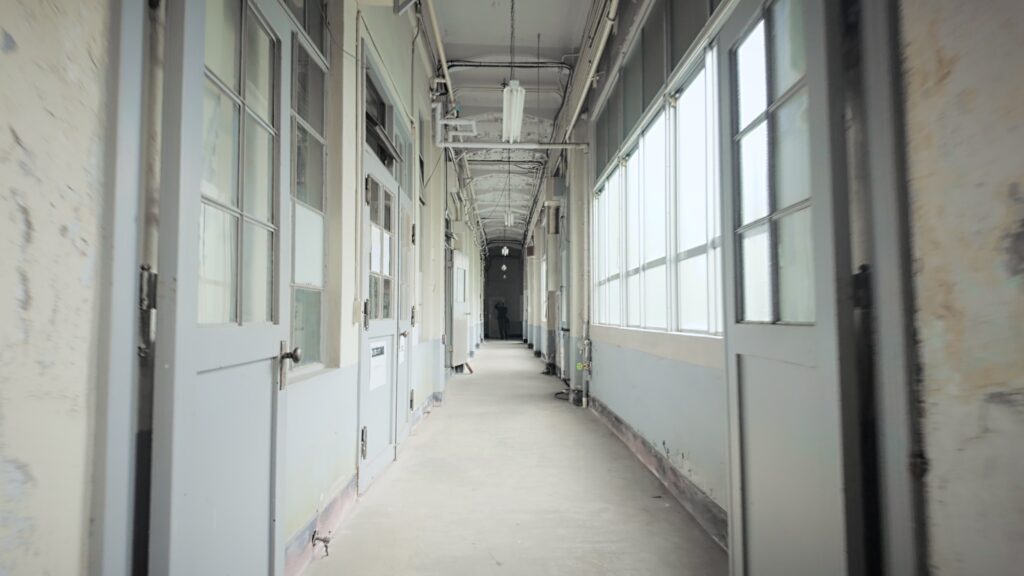
During the army era, this building was used as an explosives physics laboratory. Because of this dangerous function, the ceiling was intentionally constructed to be thin.
The design ensured that in the unfortunate event of an explosion, the blast would be directed upward toward the sky rather than outward, minimizing damage to the surrounding area.
Ironically, this safety feature for explosives made the building perfectly suited for cosmic ray observation.
Early Computing Technology
The institute was also home to what we would call a supercomputer in modern terms: an electronic calculator.
While there were no detailed stories available about exactly what it looked like, the facility included a waiting room and stationed engineers dedicated to maintaining the machine.
Considering the era, one can imagine a computer that resembled a wall of modular synthesizers with exposed cables.
It is fascinating to think that such cutting-edge technology of the time was operating right here in this quiet corner of Itabashi.
The Legacy of Hideki Yukawa
One of the most prominent figures associated with this institute was Dr. Hideki Yukawa, the first Japanese national to win a Nobel Prize.
He received the award in 1949 after overseas researchers proved his “Meson Theory.
” Mesons act like a glue that holds protons and neutrons together within an atomic nucleus.
Although protons naturally repel each other because they both carry a positive charge, the meson binds them together.
Yukawa’s theory predicted the existence of these particles before they were actually found.
His prestige as a Nobel laureate is believed to have been instrumental in securing the massive funding required to establish the electronic computer room and equip the new RIKEN facility.
Researching “Air Showers”
While Dr. Yukawa is famous for his Meson Theory, his work at the RIKEN Itabashi Branch focused on a different phenomenon known as “Air Showers.”
He used the facility’s electronic computers to theoretically analyze how high-energy cosmic rays collide with the Earth’s atmosphere and scatter, much like a meteor breaking apart upon entry.
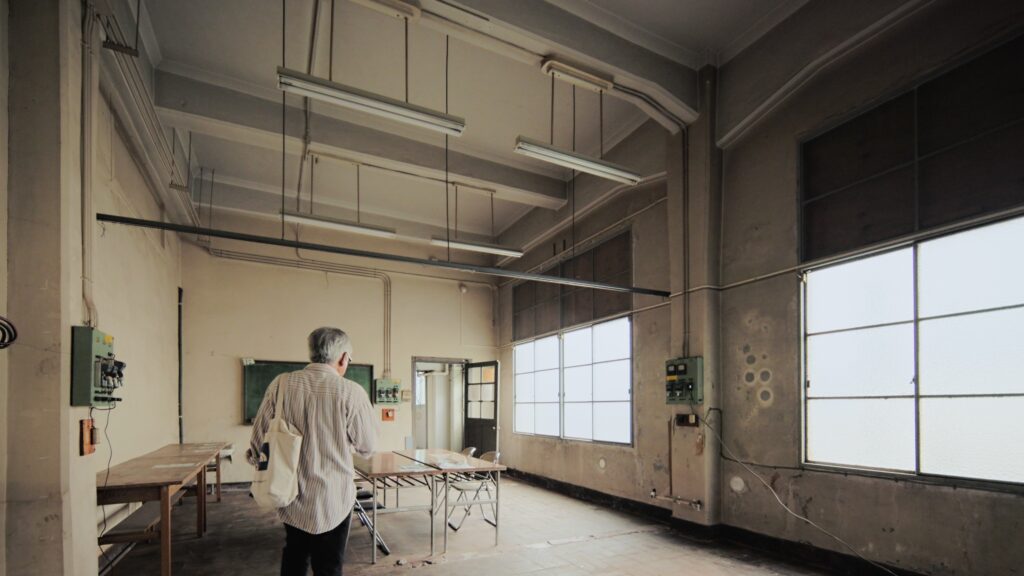
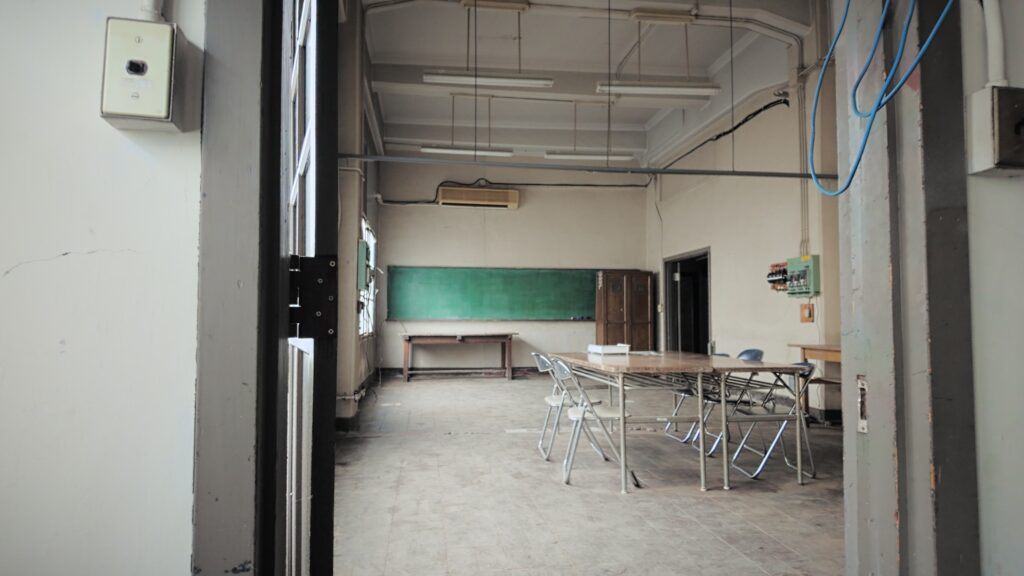


It is refreshing to realize that such advanced astrophysical research was being conducted in this quiet part of Tokyo’s 23 wards.
Standing in this preserved space, where the cutting-edge science of the past lies dormant, one can’t help but feel the passage of time and the dramatic development of Tokyo.
Getting there and around
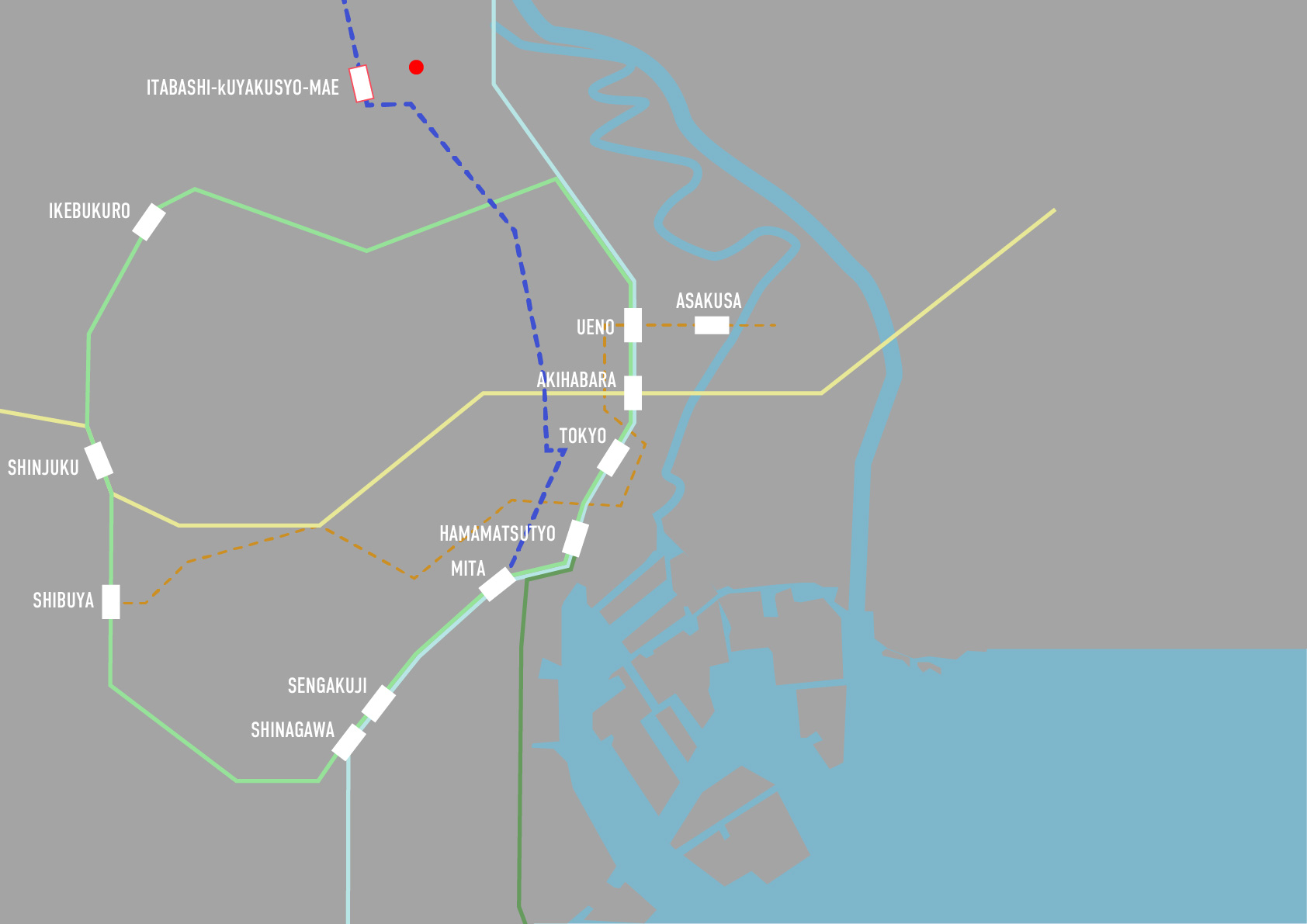
🚉 Train Route Information
From: Haneda Airport To: Near Itabashi Kuyakusho-mae
✈️ Haneda Airport Terminal 1 & 2 (羽田空港第1・第2ターミナル)
⏬ Board: Keikyu Airport Line (Airport Express) (京急空港線 エアポート急行)
🚉 Keikyu Kamata (京急蒲田) > Note: The train continues as the “Keikyu Main Line”. Stay on board if it is a direct train to Sengakuji/Mita.
⏬ Continue: Keikyu Main Line (Express) (京急本線 急行)
🚉 Sengakuji (泉岳寺) > Note: The line name changes to “Toei Asakusa Line” here. Many trains continue directly.
⏬ Continue: Toei Asakusa Line (都営浅草線)
🛑 Mita (三田) ⚠️ TRANSFER REQUIRED (乗り換え) > Switch from the Toei Asakusa Line to the Toei Mita Line (都営三田線).
⏬ Board: Toei Mita Line (Destination: For Nishi-takashimadaira / Sugamo)
【Get Off】 🚉 Itabashi Kuyakusho-mae (板橋区役所前)
🚶 Walk: 956m (Approx. 12–15 minutes)
Hours
10:00 to 16:00
Fees
Free