
Nojima Park, in Yokohama, Kanagawa Prefecture.
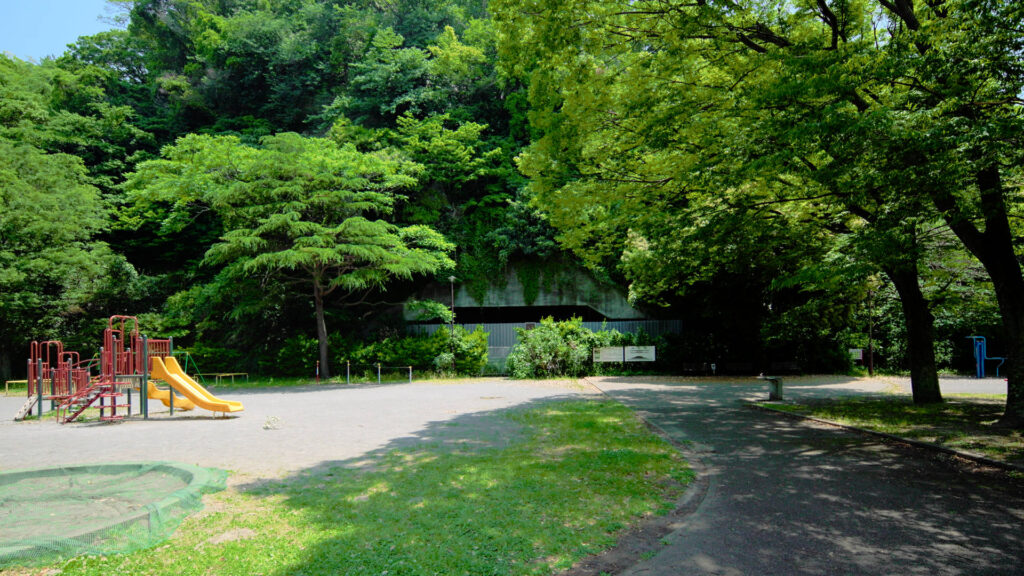
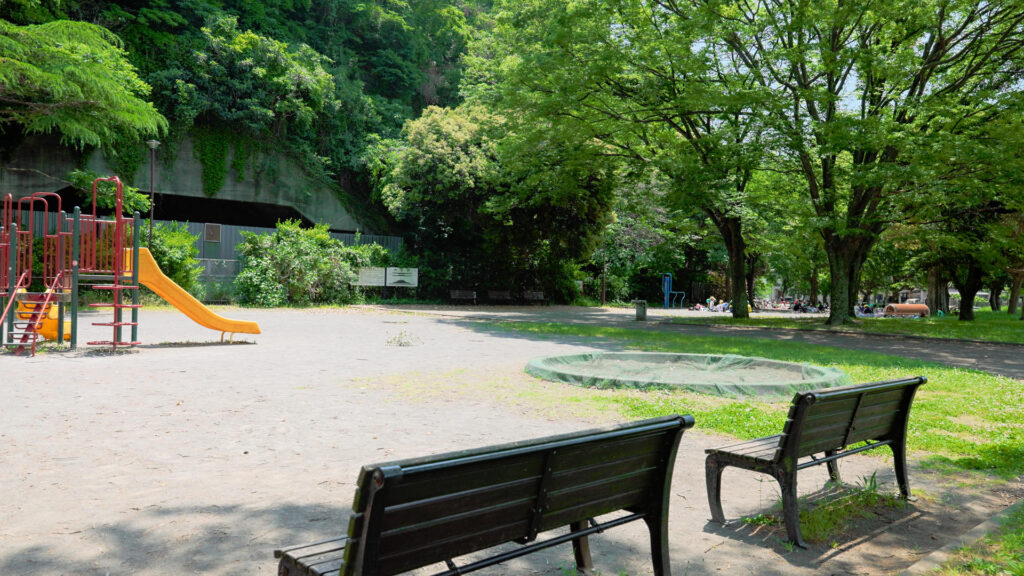
Did you know that at the foot of the hill in this park, where children come to play, a huge tunnel stands open?
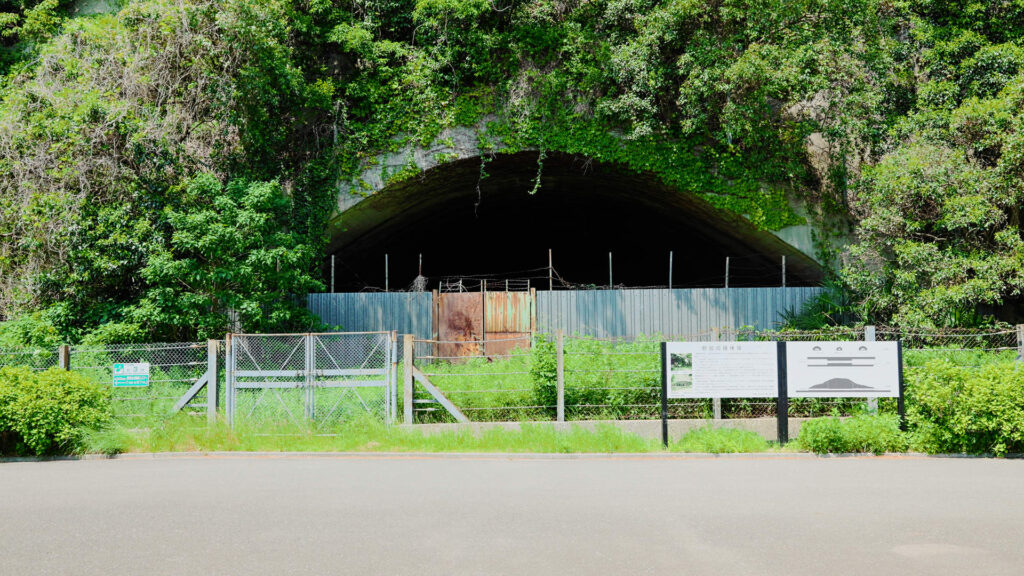
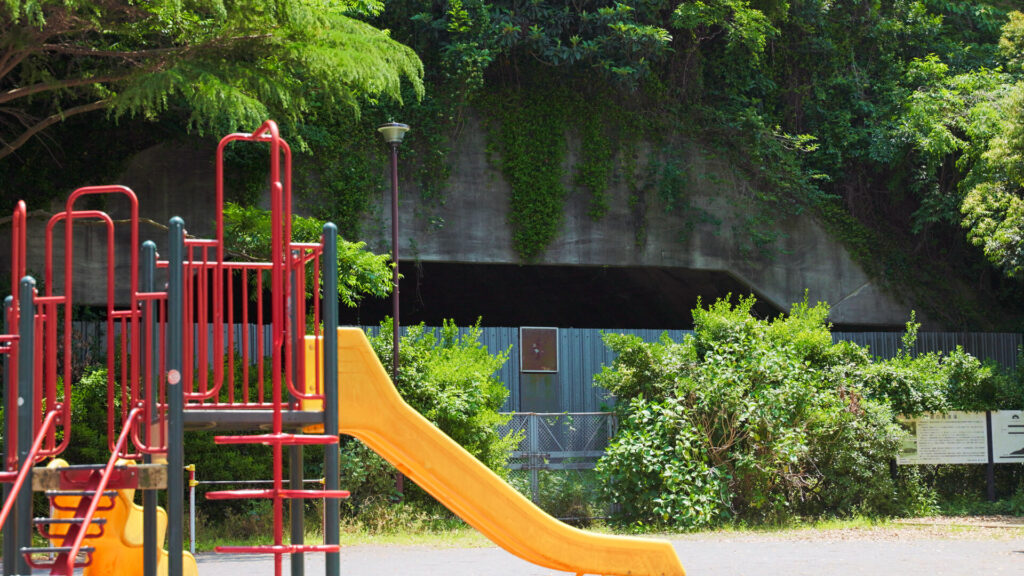
It is the Nojima Aircraft Bunker (Nojima Entaigo).
About an hour from Haneda Airport, it is a relic that keeps the memory of war alive.
Yes, a memory of war remains in this peaceful park.
There is still plenty to see around Hakkeijima in Kanagawa.
Nojima is one such place, where the feel of the city gives way to the calm of a fishing harbour.
And on Nojima, an underground hangar hollowed out of an entire hill still remains.
Why would a scar of war be left in a place like this?
In this article, I will introduce the Nojima Aircraft Bunker, from its origins to how it looks today.
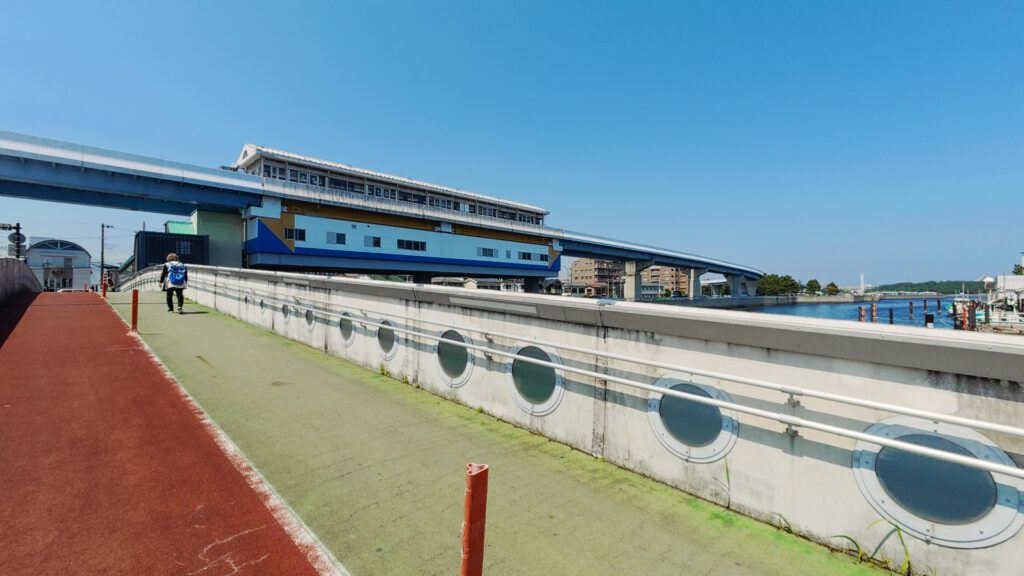
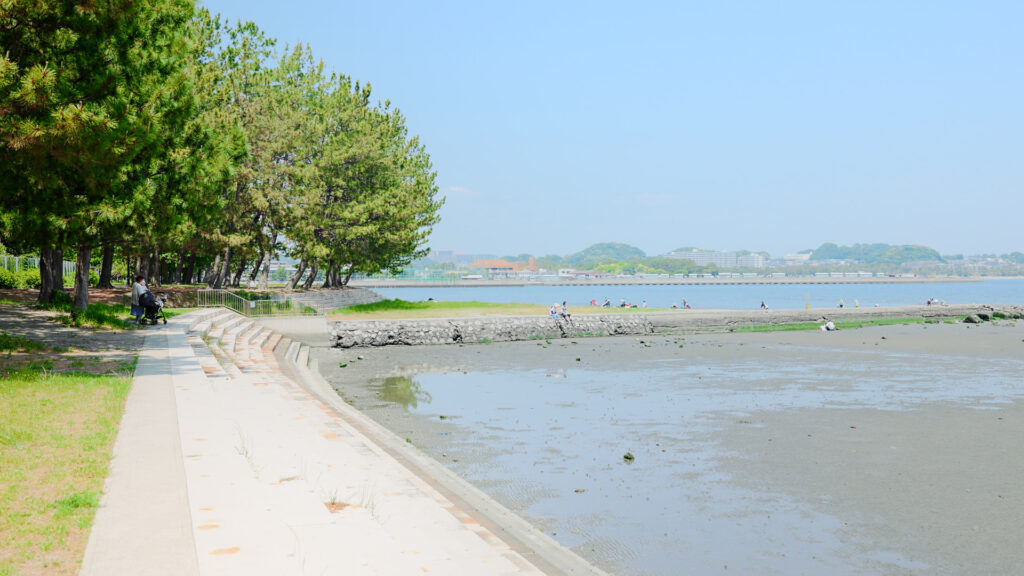
Nojima Park: A Park Beside a Beautiful Sea
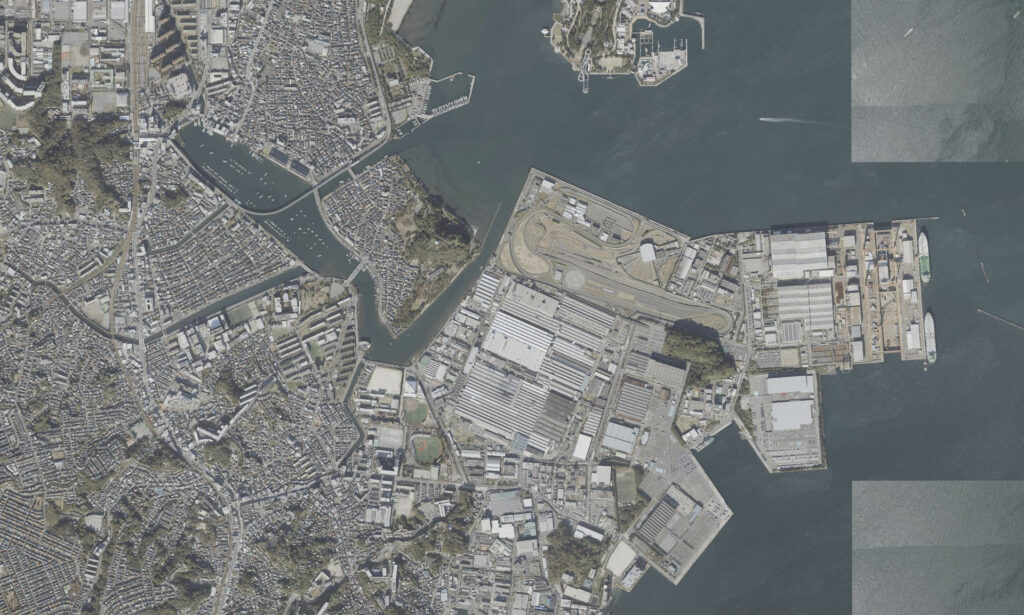
Nojima Park is in Kanazawa Ward, in the south of Yokohama, Kanagawa Prefecture.
It lies just south of Hakkeijima Sea Paradise, about an hour from Haneda Airport.
At Kanazawa-hakkei Station, change to the Kanazawa Seaside Line and get off at Nojimakoen Station.
From there it is about a five-minute walk to the park.
Nojima Beach, in front of the park, is the only natural sandy beach left in the city of Yokohama.
From spring to summer, I saw families out on the tidal flats digging for clams.
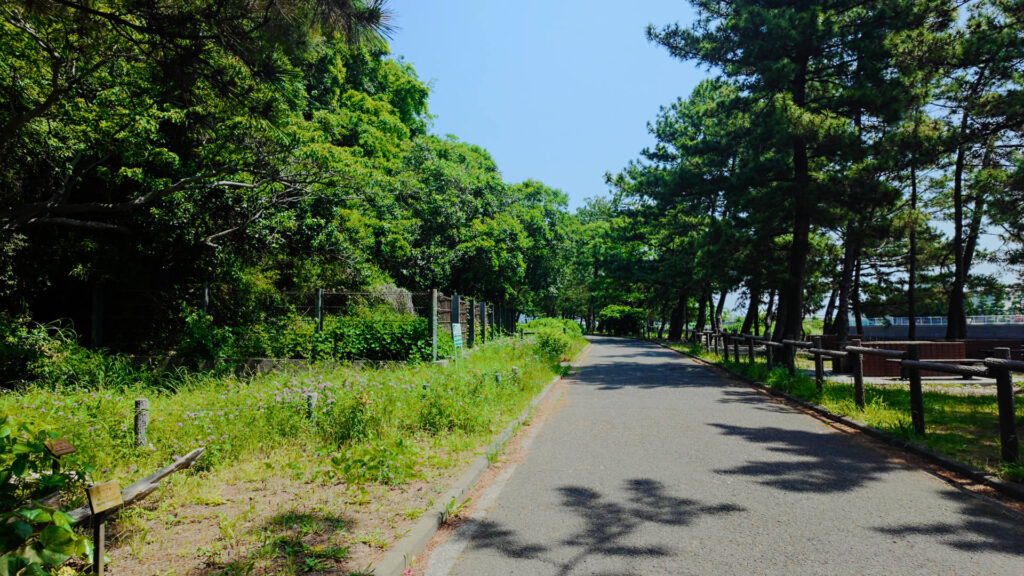
A gentle park with the sea breeze blowing through.
That is Nojima Park.
The park also has a barbecue area, a campsite, and open lawns.
On weekends it is a laid-back place filled with the voices of children.
And in one corner of this peaceful park, a relic of war still remains.
It is the Nojima Aircraft Bunker, its mouth open at the foot of Mt. Nojima.
What Is an Entaigo? A Shelter Built to Protect Aircraft
An entaigo is a protective shelter built to shield equipment and people from enemy attack.
This one was built specifically to protect aircraft.
An aircraft cannot simply be folded away.
Protecting one naturally takes a very large space.
But under heavy air raids, a roof alone is not enough to stop bombs.
So the hill itself was used as a thick protective wall.
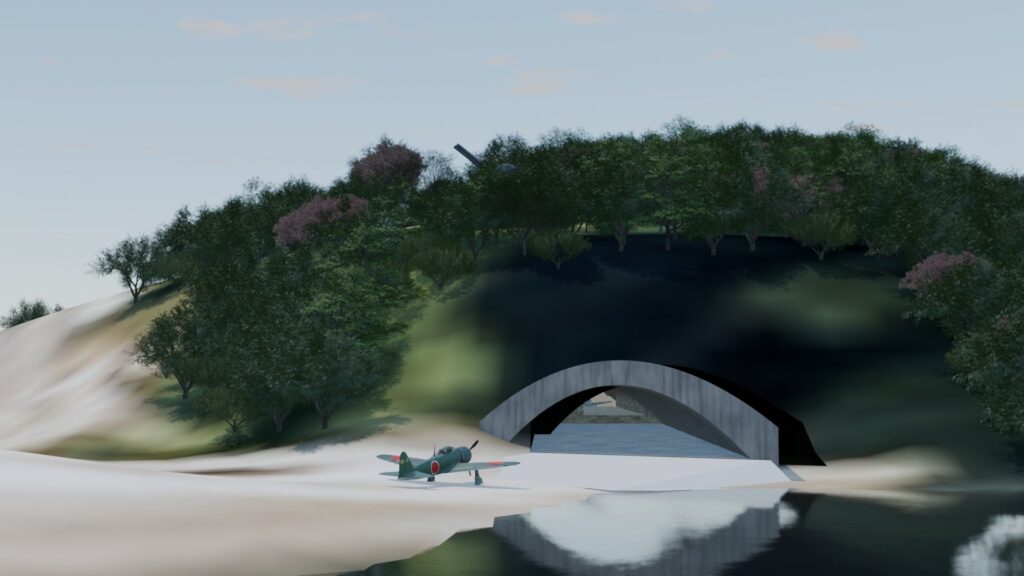
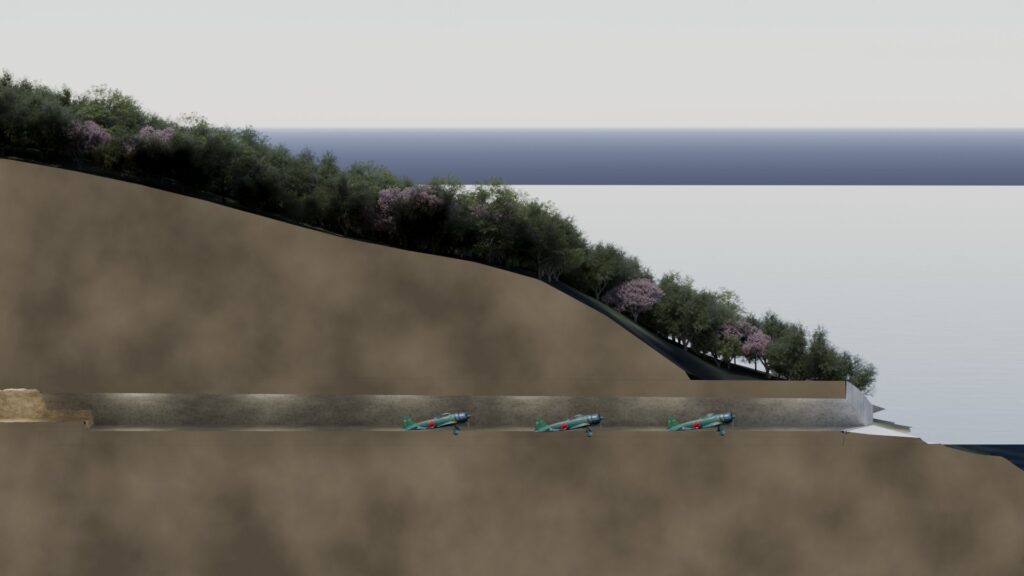
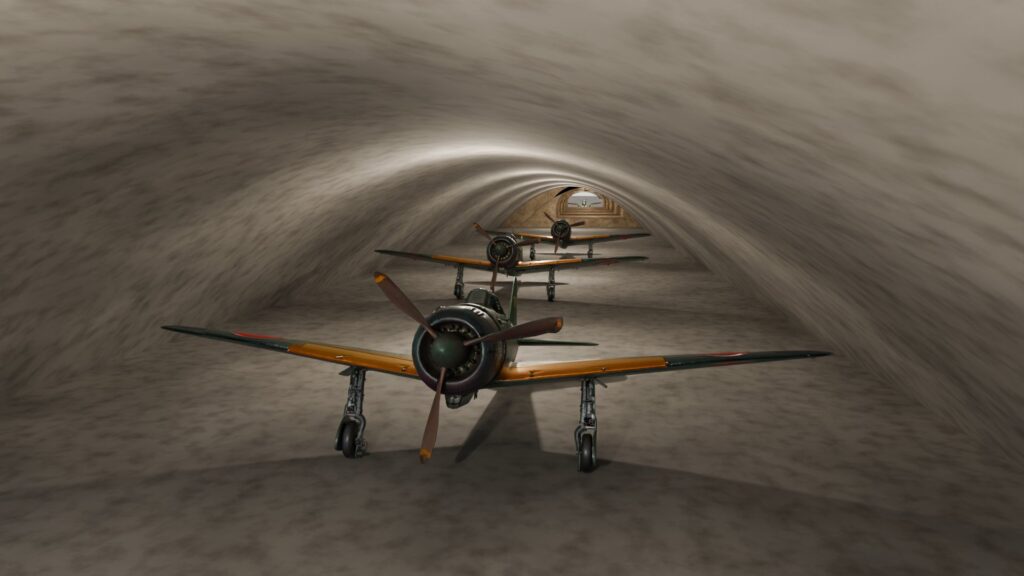
Mt. Nojima was hollowed out to create an underground space where aircraft could be kept safe.
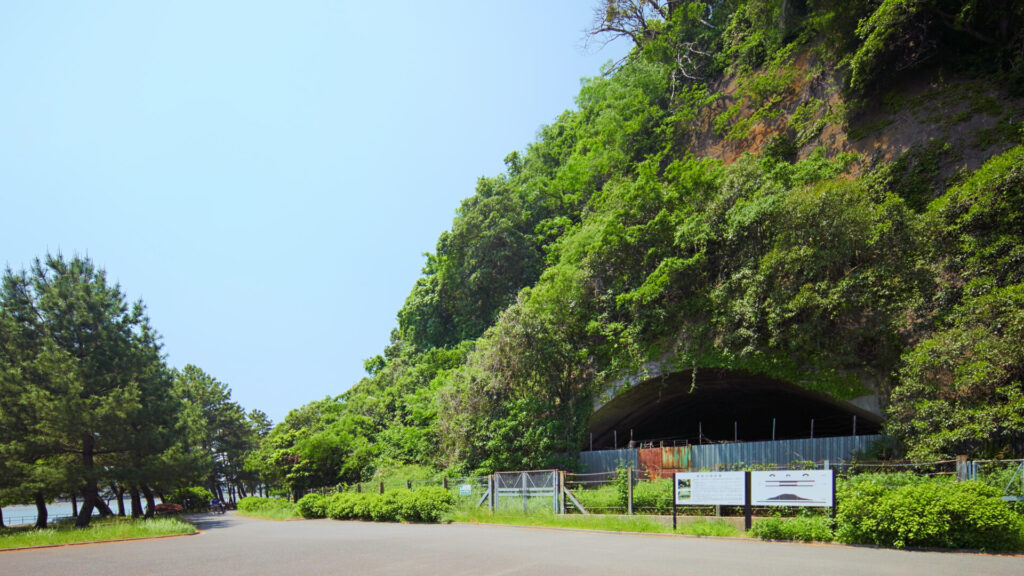
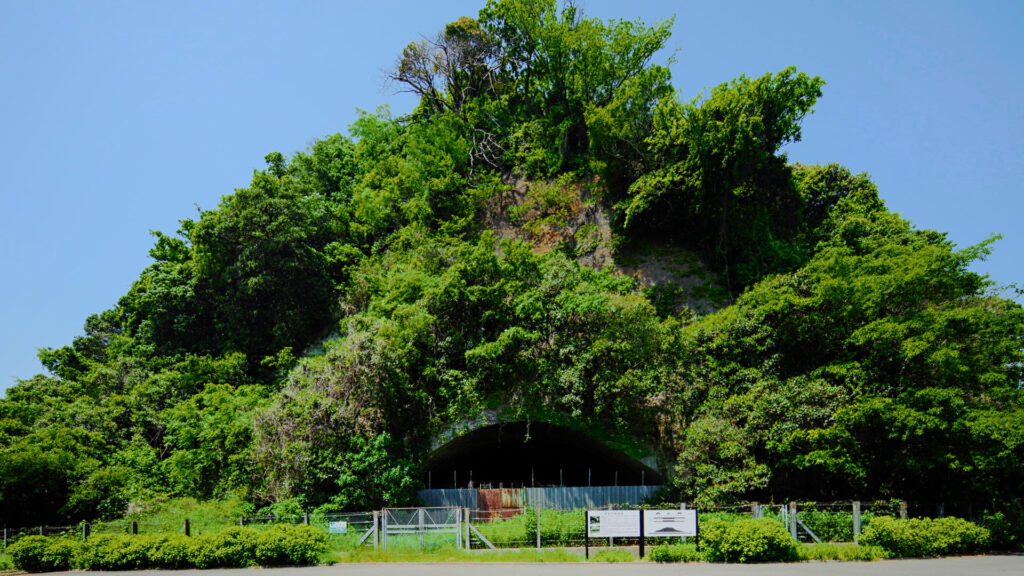
A Tunnel Through the Hill: A 260-Metre Underground Hangar
The Nojima Aircraft Bunker has one striking feature.
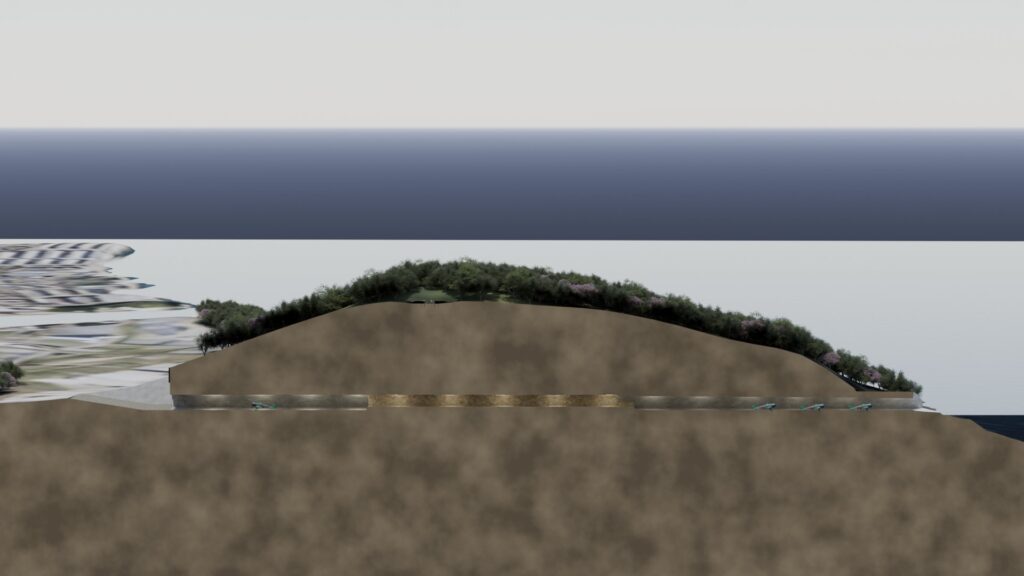
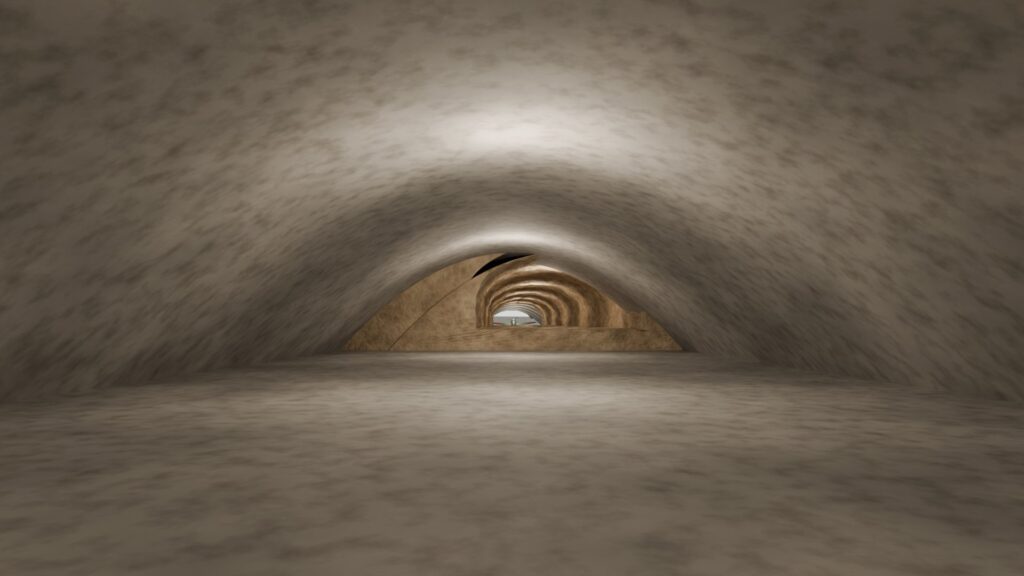
It is a through-tunnel, running right through the hill from east to west.
It is about 260 metres long.
The entrance is roughly 20 metres wide and 7 metres high.
Near the entrances the walls are lined with concrete, but the central section is bare, hand-dug rock.
You can tell from this just how hurriedly the work was carried out.
It is said to have been planned to hold around 100 small military aircraft, and it is considered the largest surviving aircraft bunker in Japan.
Standing in front of the entrance, you are overwhelmed by how small a person looks beside it.
It has a force all its own, as if human hands had swallowed up the natural hill.
You cannot go inside today, but it is a rare place where the concrete entrance can still be seen.
Why It Was Built: To Protect the Airfield at Oppama
Construction is said to have taken place from March to June 1945, in the final months of World War II.
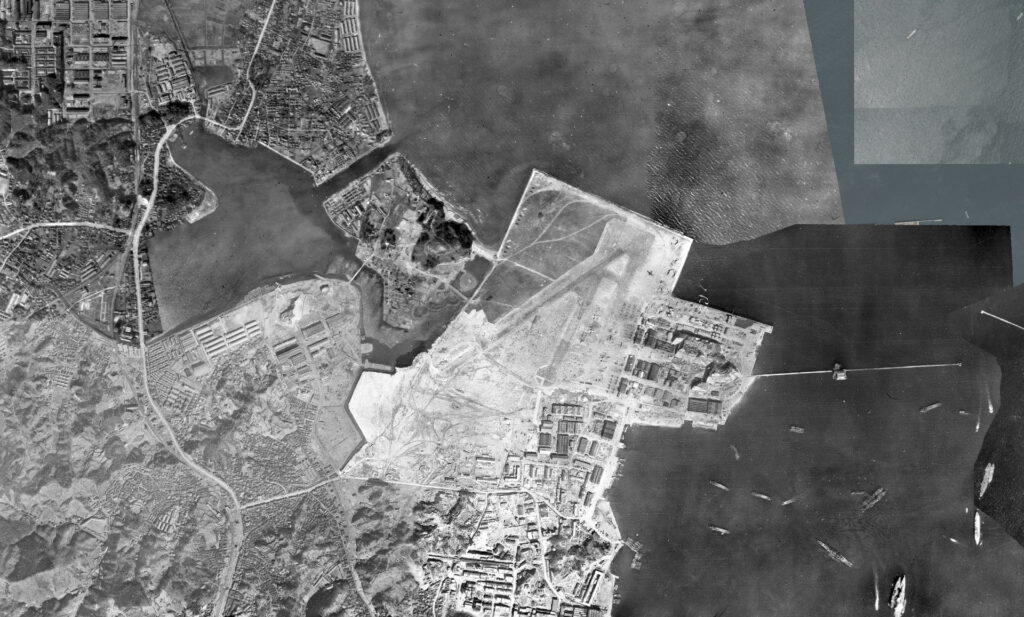
At the time, just south of Mt. Nojima lay the airfield of the Yokosuka Naval Air Group, the first air unit of the Imperial Japanese Navy.
It was a key base for developing aviation technology and prototype aircraft.
Further south stood the Yokosuka Naval District (Yokosuka Chinjufu), the Imperial Japanese Navy’s regional headquarters, so the whole area was of great importance to the Japanese military.
As the war turned against Japan and bombing of the mainland intensified, the navy dug this enormous hole into the hill to protect its aircraft.
But the war ended without the bunker ever being used.
It is a piece of civil engineering heritage that conveys how desperate the situation was as Japan prepared for a final battle on its own soil.
The Bunker Today: A War Relic That Blends Into the Park
As mentioned above, you cannot go inside.
Because of the risk of collapse, the entrance is closed off with a fence, and you can only look at it from outside.
An information board stood in front of the entrance.
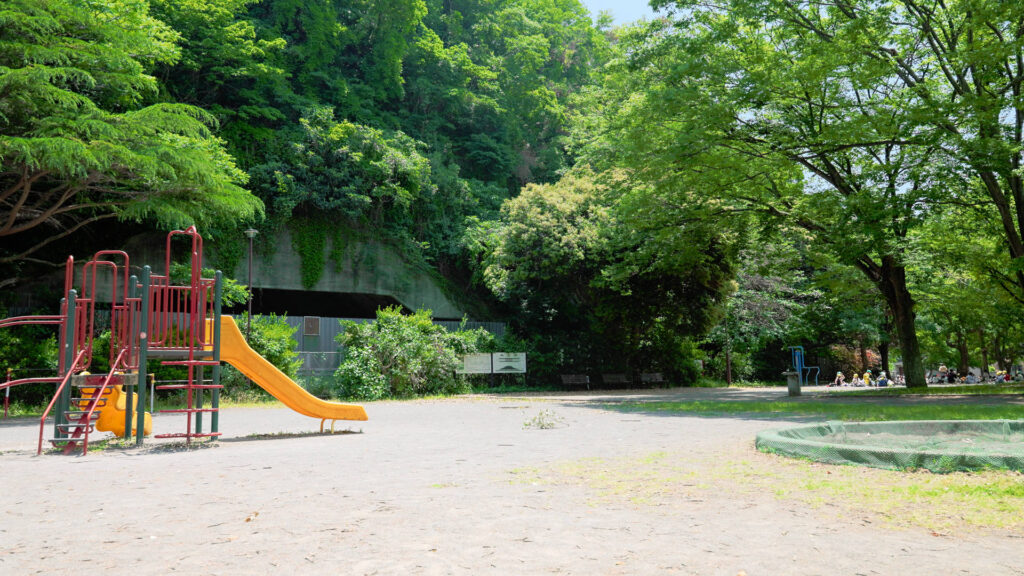
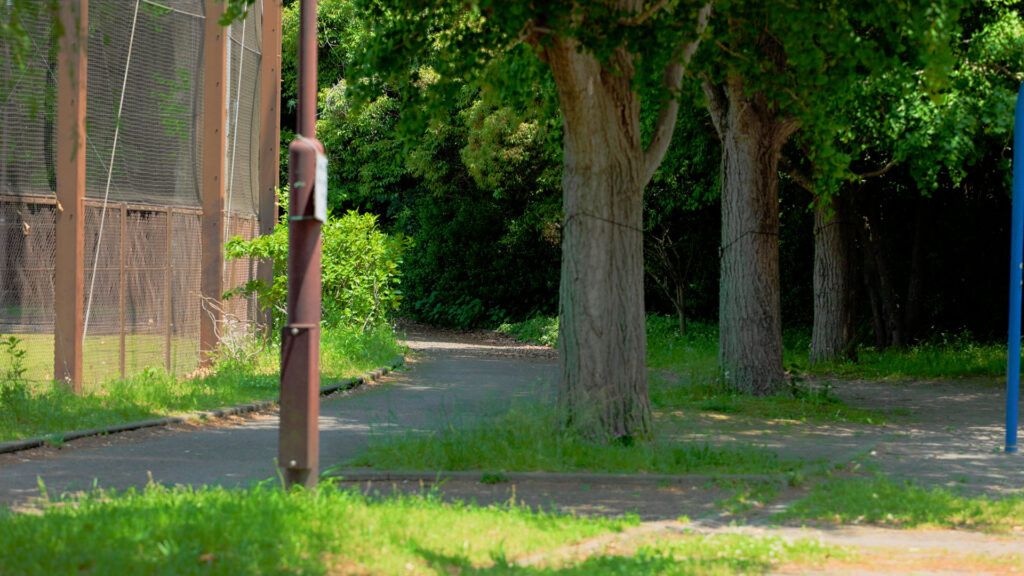
What struck me most, though, was how completely this relic has merged with the greenery of the park and become part of peaceful everyday life.
Right beside the huge bunker stands playground equipment, and the area was being used for school outings and as a place for children to play.
There is no grand museum and no large monument.
It is simply left there quietly, just as it is, without saying too much.
Watching the children smile, I felt that the bunker was quietly coming to the end of its role.
In Closing
The Nojima Aircraft Bunker turned out to be more than just an unusual war relic.
Right beside children on a school field trip is a hole that was once dug to escape the bombs.
It is a strange sight, but perhaps this is exactly what a world at peace looks like.
Not speaking loudly, but quietly leaving it there in the everyday landscape.
That is the way memory is kept here.
On top of the hill is the Nojimayama Observation Deck, with a 360-degree view over the Hakkeijima area.
Do visit both.
Getting there and around
Start: Haneda Airport (Keikyu Line station, Terminal 1·2 or Terminal 3) ⬇️ 🚃
Ride: Keikyu Line Express (Kyuko) Color: Red trains 🟥 Direction: For Zushi·Hayama. No transfer needed: this train runs straight through to Kanazawa-hakkei, about every 20 minutes during the day. Approx. 50 min ⬇️ 🛑
Important: Check the destination before boarding. Trains for Shinagawa or Tokyo go the other way. ⬇️
Transfer: Kanazawa-hakkei Station. Follow the signs for the Kanazawa Seaside Line. ⬇️ 🚃
Ride: Kanazawa Seaside Line Direction: For Shin-Sugita. 1 stop, approx. 2 min ⬇️ 🛑
Get Off: Nojimakoen Station ⬇️ 🚶
Walk: Approx. 5 min to Nojima Park
1 Leave Nojimakoen Station and walk toward the green hill ahead (Mt. Nojima).
2 Cross the bridge onto Nojima.
3 Enter Nojima Park.
4 The bunker entrance is at the foot of the hill, next to the playground.
Fare: about 800 yen in total (Keikyu Line about 560 yen + Seaside Line about 240 yen).
Hours
The park is open at all times. The bunker can only be viewed from outside.
Fees
Free